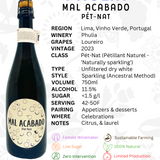
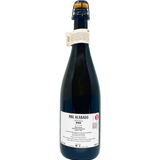
Phulia 'Mal Acabado' Pét-Nat Loureiro White 2024
A beautifully fresh, naturally sparkling white wine from Portugal's lush Vinho Verde region, bursting with zesty citrus, crisp green apple and delicate floral aromas. Made entirely from the wonderfully aromatic Loureiro grape, this charming Pét-Nat combines centuries-old winemaking traditions with a refreshingly modern approach — delivering fine, lively bubbles, vibrant acidity and an elegant, beautifully clean finish.
Phulia Mal Acabado comes from the Lima Valley in northern Portugal, where the Atlantic Ocean influences the climate, granite-derived soils shape the vineyard landscape and traditional grape-growing methods remain part of everyday life.
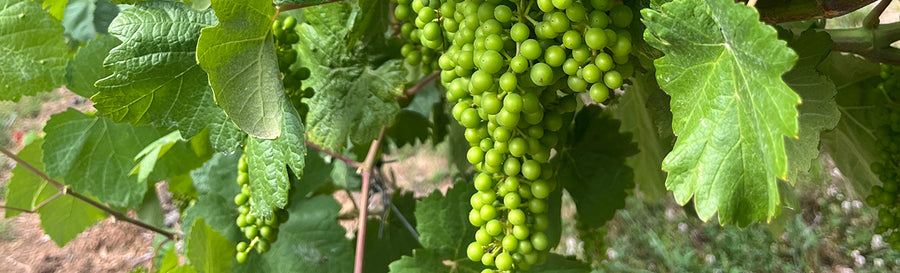
Produced from 100% Loureiro, one of Vinho Verde's most distinctive indigenous white grapes, this naturally sparkling wine offers a fascinating expression of the region's winemaking heritage.
But there's much more to this wine than its refreshing bubbles.
Mal Acabado is produced using the ancestral method, an ancient approach to sparkling wine in which the wine is bottled before its initial fermentation has finished.
As fermentation continues inside the sealed bottle, naturally produced carbon dioxide becomes trapped in the wine, creating its delicate effervescence.
Unlike traditional-method sparkling wines, which undergo a separate second fermentation in bottle, Pét-Nat captures the final stages of the original fermentation.
And Phulia takes this old technique in a particularly thoughtful direction.
After fermentation is complete, winemaker Rita Sousa disgorges the bottles, carefully removing the yeast sediment that has accumulated during fermentation.
This additional step creates a clearer, more refined expression of Pét-Nat while preserving the bubbles produced naturally inside the bottle.
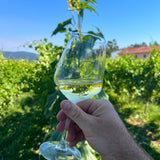
In the glass, expect a delicate straw-yellow colour and fine, lively bubbles.
The aromas are beautifully expressive, with fresh lemon, crisp green apple, delicate white flowers and hints of jasmine.
On the palate, it's dry, light and wonderfully refreshing, with vibrant citrus, pronounced acidity and a gentle sparkle that gives the wine a lively, elegant character.
At approximately 11–11.5% ABV, depending on the bottle specification, this is a deliciously refreshing sparkling wine to enjoy as an aperitif, alongside seafood or simply on a sunny afternoon.
And there's a wonderful story behind its unusual name.
What makes Loureiro so special?
Loureiro is one of Portugal's most distinctive indigenous white grapes, particularly associated with the Lima Valley in the Vinho Verde region.
Its name comes from the Portuguese word louro, meaning laurel or bay leaf, a reference to the aromatic character traditionally associated with the variety.
Loureiro is especially celebrated for its expressive floral aromas, vibrant citrus and naturally refreshing acidity.
Typical characteristics include lemon, lime, green apple, orange blossom and delicate herbal notes, sometimes accompanied by hints of jasmine or bay leaf.
Although Loureiro is most commonly encountered in fresh, aromatic still white wines, its natural acidity also makes it an excellent candidate for sparkling wine production.
And there's an important reason for that.
Sparkling wines generally benefit from grapes with good acidity, because the combination of acidity and bubbles creates the lively, refreshing character that makes them so enjoyable.
Loureiro's ability to retain freshness in the Atlantic-influenced climate of northern Portugal makes it particularly well suited to this style.
In Mal Acabado, its aromatic personality takes centre stage, bringing fragrant florals, citrus and crisp orchard fruit to the wine.
What exactly is Pét-Nat?
Pét-Nat is short for pétillant naturel, a French expression meaning “naturally sparkling”.
But despite its French name, the winemaking technique behind it is much older than many people realise.
Pét-Nat is typically produced using the ancestral method, one of the earliest known approaches to creating sparkling wine.
Rather than completing fermentation and then deliberately starting a second fermentation, the winemaker bottles the wine while its first fermentation is still underway.
The remaining natural grape sugar continues to ferment inside the sealed bottle.
As yeast converts that sugar into alcohol, it also produces carbon dioxide.
Because the bottle is sealed, the gas becomes trapped and dissolves into the wine.
And that's what creates the bubbles.
The sparkle comes from fermentation itself, rather than carbon dioxide being artificially injected into the wine.
One of the appealing things about this approach is its relative simplicity.
It can produce sparkling wines that feel lively, expressive and closely connected to their original grape varieties.
Pét-Nats can range from cloudy and rustic to surprisingly clear and refined, depending on how the wine is handled after fermentation.
Phulia's Mal Acabado is a particularly interesting example of the latter.
Why is Mal Acabado unusually clear for a Pét-Nat?
Many Pét-Nats have a naturally cloudy or hazy appearance because the yeast sediment produced during fermentation remains inside the bottle.
For some producers, that slightly rustic appearance is part of the wine's appeal.
But Phulia's Mal Acabado takes a different approach.
After the wine completes its fermentation in the bottle, winemaker Rita Sousa carefully removes the accumulated yeast sediment through a process called disgorgement.
During disgorgement, the sediment is collected near the neck of the bottle and expelled, leaving the finished wine clearer.
This technique is also used in traditional-method sparkling wines, including Champagne, although the fermentation processes themselves are different.
In Champagne, the bubbles develop during a deliberately initiated second fermentation in bottle.
In Mal Acabado, they develop as the original fermentation continues after bottling.
The distinction is important because disgorgement doesn't determine whether a wine is a Pét-Nat or a traditional-method sparkling wine.
It's the fermentation process that defines the style.
By removing the sediment, Rita creates a cleaner, more refined expression of Pét-Nat while preserving the delicate bubbles produced naturally during fermentation.
And here's something particularly interesting.
A Pét-Nat doesn't have to be cloudy to be authentic.
Cloudiness is common in the category, but it isn't a requirement of ancestral-method winemaking.
Mal Acabado is a wonderful example of how an ancient sparkling-wine technique can produce something beautifully elegant and refined.
It's a wine that combines the spontaneity of ancestral-method fermentation with the precision and care of disgorgement.
What does Mal Acabado mean?
The name Mal Acabado translates roughly as “poorly finished” or “unfinished”.
And it's a wonderfully playful name for a wine bottled before fermentation has fully finished.
But Phulia connects the name to an even more intriguing story from Portugal's wine history.
During the 18th century, Britain was an important market for Portuguese wine.
Phulia's account recalls a period when strong English demand encouraged Portuguese winemakers to send wines abroad before they had completely finished fermenting.
According to this story, some wines continued fermenting during their journey, developing natural carbonation along the way.
The name Mal Acabado pays tribute to this idea of a wine that wasn't quite finished when it left the winery.
It's a charming piece of storytelling that connects the wine to Portugal's long relationship with the British wine trade.
And the connection to ancestral-method winemaking is particularly fitting.
What might once have been considered an unfinished wine is now a deliberately crafted sparkling style.
It's a lovely reminder that some of the most interesting developments in wine come from revisiting techniques that existed long before modern technology.
What are ramadas, and why do they matter?
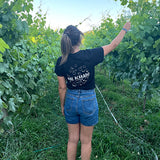
One of the most distinctive details about Mal Acabado is that its Loureiro grapes come from vines grown using traditional ramadas.
If you've travelled through rural northern Portugal, you may have noticed grapevines growing high above the ground, supported by stone posts, wooden structures or metal frameworks.
These elevated vine-training systems are an important part of the traditional agricultural landscape of Minho.
Historically, many farmers grew vines around the edges of their fields or above other crops, allowing the land beneath to be used for vegetables, maize and other agricultural products.
This was particularly valuable in a region where small family farms needed to make efficient use of limited space.
Training the vines high above the ground also helped create space for air movement beneath the canopy.
In the humid Atlantic climate of Vinho Verde, airflow can be important for reducing conditions favourable to fungal diseases.
And the height of traditional ramadas can also influence the amount of shade experienced by the fruit.
Although modern vineyards often use lower, more manageable trellising systems, ramadas remain an important part of northern Portugal's cultural and agricultural heritage.
For Mal Acabado, the use of ramada-grown Loureiro creates a tangible connection between this modern Pét-Nat and the traditional vineyard landscape of Vinho Verde.
It's a wonderful piece of Portuguese wine history preserved in every bottle.
Why is the Lima Valley so important for Loureiro?
The Lima Valley is one of the most celebrated wine-growing areas within the Vinho Verde region.
It follows the River Lima through the lush landscapes of northern Portugal, eventually reaching the Atlantic Ocean near Viana do Castelo.
The valley is particularly famous for Loureiro, which has become one of its signature grape varieties.
The region's climate is strongly influenced by the Atlantic Ocean, bringing relatively mild temperatures, frequent rainfall and a long tradition of fresh, aromatic wines.
Much of the vineyard landscape is associated with granite-derived soils, although individual sites can vary considerably.
These conditions help create an environment in which Loureiro can develop its distinctive floral aromas while retaining refreshing acidity.
And that's particularly valuable for sparkling wine.
A grape with good acidity can produce a wine that remains crisp and energetic, even after fermentation creates its bubbles.
Mal Acabado captures this distinctive regional character, combining Loureiro's fragrant personality with the freshness of the Lima Valley.
What's the difference between Pét-Nat and Champagne?
Although both Pét-Nat and Champagne are naturally sparkling wines, they are produced using different fermentation methods.
Champagne and other traditional-method sparkling wines begin with a finished still wine.
The winemaker then adds yeast and sugar to initiate a second fermentation inside the bottle.
Afterwards, the wine typically spends time ageing on its lees, developing additional complexity.
The yeast sediment is eventually removed through disgorgement.
Pét-Nat, on the other hand, is usually bottled while its first fermentation is still in progress.
The remaining fermentation creates the bubbles without the need for a separate second fermentation.
This can result in a more direct expression of the grape and a less elaborate production process.
Pét-Nats are often associated with vibrant fruit, lively acidity and a more informal drinking experience.
However, neither method automatically produces better wine.
Both can create exceptional sparkling wines when handled carefully.
And here's where Mal Acabado becomes particularly interesting.
Rita uses disgorgement, a technique familiar from Champagne production, while retaining the ancestral fermentation method that defines Pét-Nat.
The result combines the naturally produced bubbles of Pét-Nat with the cleaner presentation associated with many traditional-method sparkling wines.
It's a wonderful demonstration of how different winemaking techniques can be combined thoughtfully without losing the identity of the wine.
Why does the bottle have a cork instead of a crown cap?
Many Pét-Nats are sealed with metal crown caps, similar to those found on beer bottles.
They're practical, inexpensive and effective at containing the pressure created during fermentation.
But Phulia's Mal Acabado takes a different approach.
The wine is finished with a cork closure, giving it a more traditional sparkling-wine presentation.
The choice is particularly interesting because Pét-Nat is often associated with casual packaging and deliberately rustic aesthetics.
Mal Acabado challenges that expectation.
Its disgorgement and cork closure create a presentation that feels more polished while retaining the ancestral-method approach.
Of course, the closure itself doesn't determine the quality of the wine.
But it's another example of Phulia's willingness to reinterpret familiar conventions.
Why is Pét-Nat so good with food?
Pét-Nat is often enjoyed as an aperitif, but its combination of bubbles, acidity and fresh fruit can make it a wonderful food wine.
And Loureiro is particularly well suited to this role.
Its citrus character and floral aromatics complement delicate seafood dishes, while its refreshing acidity provides a lovely contrast to richer foods.
The bubbles also create a lively sensation on the palate, making each sip feel especially refreshing.
Mal Acabado is particularly enjoyable alongside grilled shrimp, oysters, fresh seafood, sushi and light Portuguese petiscos.
Its delicate sparkle and bright citrus can also complement salads, soft cheeses and simply prepared vegetables.
And because it's light and refreshing, it's an excellent choice for a leisurely lunch or an informal gathering.
It's a wine that feels celebratory without needing a special occasion.
About Phulia
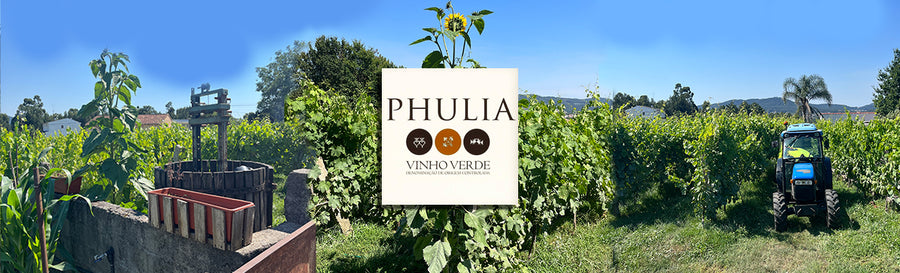
Phulia is a small, independent Portuguese wine project based in Cardielos, near Viana do Castelo, in the beautiful Lima Valley of northern Portugal.
Founded by João Martins and Luís Simplício, Phulia was created around a shared passion for the traditional grapes, landscapes and winemaking heritage of Vinho Verde.
Rather than pursuing large-scale production, the project focuses on small batches and thoughtful winemaking that allows the character of the vineyards to remain central to the wines.
Its vineyards are influenced by the nearby Atlantic Ocean and the granite-rich landscape of the Lima Valley.
Phulia works with traditional Portuguese varieties including Loureiro, Alvarinho, Trajadura, Arinto and Vinhão.
The project is known for both fresh, expressive white wines and more unconventional creations that explore the possibilities of these indigenous grapes.
Mal Acabado is a particularly lovely example of that approach.
Crafted by winemaker Rita Sousa, it brings together traditional ramada-grown Loureiro, ancestral-method sparkling winemaking and the additional care of disgorgement.
The result is a wine that feels simultaneously historic and contemporary.
A traditional Portuguese grape, an ancient sparkling-wine technique and a wonderfully playful name — all brought together in one beautifully refreshing bottle.
Aroma: Lemon · Green Apple · Jasmine · White Flowers · Fresh Citrus
Palate: Dry · Light-bodied · Fine, Lively Bubbles · Vibrant Acidity · Crisp Orchard Fruit · Refreshing Finish
Pair with: Oysters · Grilled Shrimp · Seafood Rice · Sushi · Fresh Salads · Portuguese Petiscos · Goat Cheese · Grilled White Fish · Light Appetisers
Serving Temperature: 8–10°C / 46–50°F