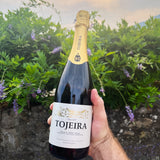
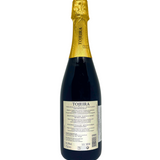
Casa da Tojeira 'Tojeira' Brut Sparkling Reserva Red Blend 2023
A wonderfully unusual sparkling red from the mountainous Basto subregion of Vinho Verde, combining deep ruby colour, rich forest fruits and beautifully fine bubbles. Made using the same traditional method as Champagne, this is a Portuguese wine that genuinely surprises people.
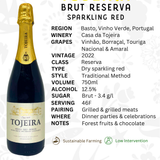
Forget everything you think you know about sparkling wine. Casa da Tojeira Brut Sparkling Reserva Red Blend is neither white nor rosé, but a deeply coloured, full-bodied sparkling red, made from four Portuguese grape varieties: Vinhão, Borraçal, Touriga Nacional and Amaral.
Produced at a historic 17th-century manor house in Cabeceiras de Basto, this distinctive wine combines the bold personality of traditional northern Portuguese reds with the elegance of fine, persistent bubbles. The grapes are harvested by hand from vineyards planted between 250 and 350 metres above sea level, on a mixture of granite and schist-clay soils.
The wine undergoes its first fermentation like a traditional red wine, before a second fermentation takes place inside the bottle. It then spends at least 12 months ageing in the cellar, developing its distinctive sparkling character.
In the glass, expect a striking deep ruby colour, with aromas of wild berries, dark fruit and delicate floral notes. On the palate, it's dry and full-bodied, with firm tannins, lively acidity and fine, persistent bubbles that bring freshness to its rich fruit character.
At 12.5% ABV, it's a wonderfully distinctive wine that's equally suited to a celebration or a hearty meal. Serve it chilled at around 6–8°C for the perfect balance of freshness and flavour.
Meet the grapes behind the blend
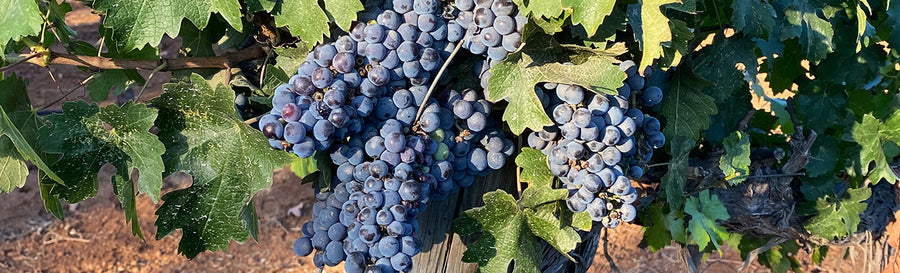
Four Portuguese red grape varieties come together to create this remarkable sparkling wine, each contributing something different.
Vinhão (40%) – The Colour and Freshness
Vinhão is one of Vinho Verde's most distinctive indigenous red grapes, famous for its extraordinarily deep colour and naturally high acidity.
Unlike most red grapes, which have colourless flesh, Vinhão is a teinturier variety, meaning its flesh also contains red pigments.
This makes it particularly interesting in sparkling red wine, contributing that beautiful ruby colour alongside vibrant blackberry, sour cherry and refreshing acidity.
Borraçal (30%) – The Rustic Character
Borraçal is a traditional northern Portuguese grape also known as Caíño Tinto across the border in Galicia.
It's celebrated for its lively acidity, red berry character and often distinctive earthy or herbal notes.
Although relatively unfamiliar outside northern Portugal, Borraçal has long been part of the region's traditional red blends, bringing freshness and a wonderfully authentic character.
Touriga Nacional (20%) – The Structure
Touriga Nacional is one of Portugal's most famous red grape varieties, particularly associated with the Douro and Dão regions.
Known for its intense dark fruit, floral aromas and impressive structure, it often contributes blackberry, plum and violet characteristics.
In this blend, Touriga Nacional adds depth, body and a more rounded fruit character, balancing the sharper acidity of the traditional Vinho Verde varieties.
Amaral (10%) – The Vibrancy
Amaral, also known as Caiño Bravo in neighbouring Galicia, is another traditional red variety from northern Portugal.
Naturally high in acidity, it typically contributes fresh red fruit, herbal notes and a lively, energetic character.
Its refreshing acidity helps maintain the balance and brightness of this full-bodied sparkling red.
Together, these four grapes create a fascinating combination of Vinhão's intense colour, Borraçal's rustic freshness, Touriga Nacional's structure and Amaral's vibrant acidity.
A sparkling red? How does that work?
Most people associate sparkling wine with Champagne, Prosecco or Cava, so discovering a deeply coloured red wine with bubbles can come as quite a surprise.
But sparkling red wines have a long history, with examples produced in several European wine regions.
What makes Casa da Tojeira particularly interesting is that it combines the traditional red grapes of Vinho Verde with the traditional method of sparkling wine production.
The grapes first undergo fermentation to produce a still red wine, complete with its colour, tannins and fruit character.
The wine then undergoes a second fermentation inside the bottle, where yeast converts sugar into alcohol and carbon dioxide. Because the bottle is sealed, the carbon dioxide becomes trapped, creating the bubbles.
The wine remains in the cellar for at least 12 months, allowing the bubbles to become finer and the wine to develop additional texture and complexity.
The result is something quite different from conventional sparkling wine: the depth and structure of a red wine, combined with the freshness and lively bubbles of a traditional-method sparkling wine.
It's a particularly exciting style for adventurous wine drinkers.
What do Brut and Reserva mean?
These two terms tell us something important about how the wine is made.
Brut refers to the wine's sweetness level.
Under European sparkling wine regulations, Brut wines contain less than 12 grams of sugar per litre. Casa da Tojeira's sparkling red contains approximately 3.4 grams per litre, making it a distinctly dry style.
Despite its rich colour and expressive fruit, this isn't a sweet sparkling red. Its flavour comes from the grapes themselves, balanced by naturally refreshing acidity.
Reserva refers to the wine's ageing classification.
In Portuguese quality sparkling wine production, Reserva indicates that the wine has undergone a minimum period of ageing.
Casa da Tojeira's sparkling red spends at least 12 months ageing in the cellar, giving the wine time to develop its fine bubbles and distinctive texture.
Together, these designations reflect a dry, carefully produced sparkling wine with more complexity than its playful appearance might initially suggest.
What makes Basto special?
Basto is one of the most inland subregions of Vinho Verde, where the lush green landscapes of northern Portugal begin to meet the rugged mountains of Trás-os-Montes.
Unlike the cooler, wetter coastal vineyards, Basto experiences colder winters and warmer, drier summers, creating conditions that allow grapes to develop ripe, expressive fruit while maintaining the refreshing acidity for which Vinho Verde is famous.
The region's predominantly granite soils, mountainous surroundings and the influence of the Tâmega River create distinctive growing conditions.
And while Vinho Verde is internationally famous for its refreshing white wines, red wine has been an important part of the region's history for generations.
Traditionally, these deeply coloured, high-acidity reds were enjoyed alongside the hearty cuisine of northern Portugal, particularly grilled meats, sausages and rich regional dishes.
Casa da Tojeira's sparkling red offers a fascinating modern expression of that tradition, combining the region's indigenous grapes with the elegance of traditional-method sparkling winemaking.
About Casa da Tojeira
Casa da Tojeira is a historic 17th-century manor house and wine estate located in Faia, near Cabeceiras de Basto, in the Basto subregion of Vinho Verde.
The magnificent manor house has stood for more than 300 years, preserving the architecture, traditions and character of northern Portugal.
At the end of the 20th century, the estate entered a new chapter when it was inherited by Mário Sousa, who restored the historic property and helped develop its wine tourism and hospitality activities.
Today, Casa da Tojeira combines winemaking, accommodation and hospitality, welcoming visitors to experience its beautiful manor house, surrounding vineyards and the remarkable Basto countryside.
The winery works with a diverse range of Portuguese indigenous varieties, including Alvarinho, Arinto, Azal, Avesso, Loureiro, Trajadura, Vinhão, Borraçal and Amaral.
Under the direction of winemakers Filipe Ribeiro and Nuno Grosso, Casa da Tojeira produces everything from elegant still whites and traditional red wines to an impressive collection of sparkling wines.
Their Brut Sparkling Reserva Red Blend is a particularly wonderful example of the estate's adventurous approach, celebrating the traditional red grapes of northern Portugal in a completely unexpected way.
Aroma: Wild Berries · Blackberry · Dark Cherry · Delicate Florals
Palate: Dry · Full-bodied · Fine Bubbles · Firm Tannins · Vibrant Acidity · Persistent Finish
Pair with: Grilled steak · Roast lamb · Portuguese sausages · Barbecued meats · Roast pork · Mushroom dishes · Aged cheeses