Casa da Tojeira 'Tojeira' Brut Nature Sparkling Arinto 2024
An elegant, beautifully crisp traditional-method sparkling wine from the mountainous Basto subregion of Vinho Verde, combining vibrant citrus, delicate stone fruit and wonderfully fine bubbles with the heritage of a 17th-century Portuguese wine estate.
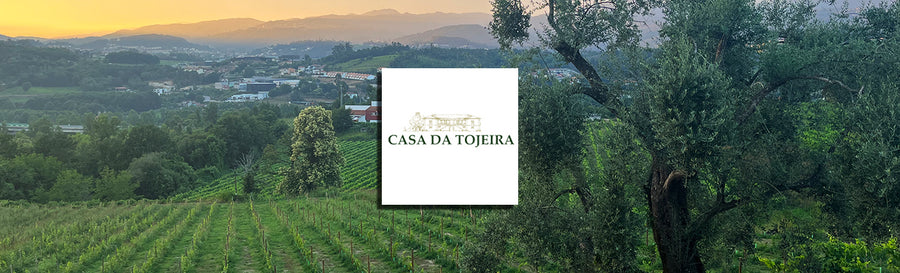
Casa da Tojeira Brut Nature Sparkling Arinto comes from Faia, near Cabeceiras de Basto, where the vineyards surround a magnificent historic manor house in the heart of northern Portugal. This beautifully expressive sparkling wine showcases the freshness and natural acidity for which the indigenous Portuguese grape Arinto is celebrated.
The grapes are grown on granite-rich soils at approximately 250 metres above sea level, before being harvested by hand and gently pressed. Following the initial fermentation, the wine undergoes a second fermentation in the bottle using the traditional method, the same technique used to produce Champagne.
The wine then spends at least 12 months ageing in the cellar, allowing the bubbles to develop their wonderfully fine, persistent character while adding texture and complexity.
In the glass, expect a bright citrus colour with elegant aromas of fresh lemon, ripe stone fruit, delicate linden flowers and subtle minerality. On the palate, it's crisp and beautifully balanced, with refreshing acidity, a fine, velvety mousse and a wonderfully long, harmonious finish.
At 12.5% ABV, this is a refined and elegant sparkling wine, perfect for celebrations but equally enjoyable alongside a leisurely seafood lunch or dinner.
What makes Arinto special?
Arinto is one of Portugal's most celebrated indigenous white grapes, renowned for its remarkable ability to retain natural acidity, even in warmer growing conditions.
In Vinho Verde, Arinto is also traditionally known as Pedernã, while further south it's particularly famous in Bucelas, near Lisbon, where it produces some of Portugal's most distinctive and age-worthy white wines.
Typical aromas include lemon, lime, green apple and delicate mineral notes, often accompanied by a refreshing, almost mouthwatering acidity.
And it's that acidity that makes Arinto such a wonderful grape for sparkling wine.
Producing elegant sparkling wine requires a delicate balance between fruit, freshness and structure. Arinto naturally provides the acidity needed to keep the wine vibrant, while its relatively restrained aromatic character allows the complexity developed during bottle ageing to shine through.
It's a wonderful example of how Portugal's indigenous grape varieties can produce sparkling wines every bit as interesting as those made from more internationally familiar grapes.
What is the traditional method?
This is where Casa da Tojeira's sparkling wine becomes particularly interesting.
The traditional method is the same winemaking technique used to produce Champagne, although sparkling wines made outside the Champagne region cannot use that protected name.
Unlike Prosecco, which is generally produced using a second fermentation in large pressurised tanks, traditional-method sparkling wines undergo their second fermentation inside the individual bottle.
During this process, yeast converts sugar into alcohol and carbon dioxide. Because the bottle is sealed, the carbon dioxide becomes trapped in the wine, creating its bubbles.
After fermentation, the wine remains in contact with the spent yeast cells, known as the lees. This period of ageing helps develop additional texture, complexity and the fine, persistent bubbles associated with high-quality traditional-method sparkling wines.
Casa da Tojeira's sparkling wine spends at least 12 months ageing in the cellar, giving it time to develop that beautifully refined character.
The result is a sparkling wine that combines the lively freshness of Vinho Verde with the elegance and complexity of traditional-method production.
What does Brut Nature mean?
Brut Nature is one of the driest classifications used for sparkling wine, making it particularly appealing to people who enjoy crisp, refreshing wines without noticeable sweetness.
Under European sparkling wine regulations, Brut Nature is reserved for wines containing less than 3 grams of sugar per litre, provided no sugar is added after the second fermentation.
For comparison, a sparkling wine labelled Brut can contain up to 12 grams of sugar per litre.
But there's an important distinction: Brut Nature doesn't automatically mean absolutely zero sugar. Small amounts of naturally occurring residual sugar can remain in the finished wine.
And dryness doesn't mean a lack of flavour. In a wine like this, vibrant acidity and delicate fruit create a beautifully refreshing drinking experience, while traditional-method ageing contributes texture and complexity.
What makes Basto special?
Basto is one of the most inland subregions of Vinho Verde, where the lush green landscapes of northern Portugal begin to meet the rugged mountains of Trás-os-Montes.
Unlike the cooler coastal vineyards, Basto experiences colder winters and warmer, drier summers, creating conditions that allow grapes to develop expressive fruit while retaining the refreshing acidity for which Vinho Verde is famous.
The region's predominantly granite soils, mountainous surroundings and the influence of the Tâmega River create distinctive growing conditions.
These conditions are particularly interesting for sparkling wine production, where naturally high acidity is essential for maintaining freshness and balance.
It's another reminder that Vinho Verde is far more diverse than its reputation for light, gently sparkling whites might suggest.
About Casa da Tojeira
Casa da Tojeira is a historic 17th-century manor house and wine estate located in Faia, near Cabeceiras de Basto, in the Basto subregion of Vinho Verde.
Originally built as a residence for prominent Portuguese families, the grand manor house has stood for more than 300 years, preserving the architecture, traditions and character of northern Portugal.
Today, the estate combines winemaking, hospitality and wine tourism, welcoming visitors to experience the historic house, surrounding vineyards and beautiful Basto countryside.
The winery works with a diverse collection of Portuguese indigenous varieties, including Arinto, Alvarinho, Azal, Avesso, Loureiro, Trajadura and Vinhão, producing everything from elegant still wines to traditional-method sparkling wines.
Under the direction of winemakers Filipe Ribeiro and Nuno Grosso, Casa da Tojeira produces wines that celebrate both the remarkable diversity of Vinho Verde and the centuries-old heritage of the estate.
It's a wonderful example of how Portugal's historic wine estates continue to evolve, combining traditional landscapes and grape varieties with modern winemaking techniques.
Aroma: Lemon · Stone Fruit · Linden Flowers · Mineral
Palate: Very Dry · Fine Bubbles · Vibrant Acidity · Elegant Texture · Long, Harmonious Finish
Pair with: Oysters · Grilled shrimp · Smoked salmon · Sushi · Fried seafood · Roast chicken · Soft cheeses