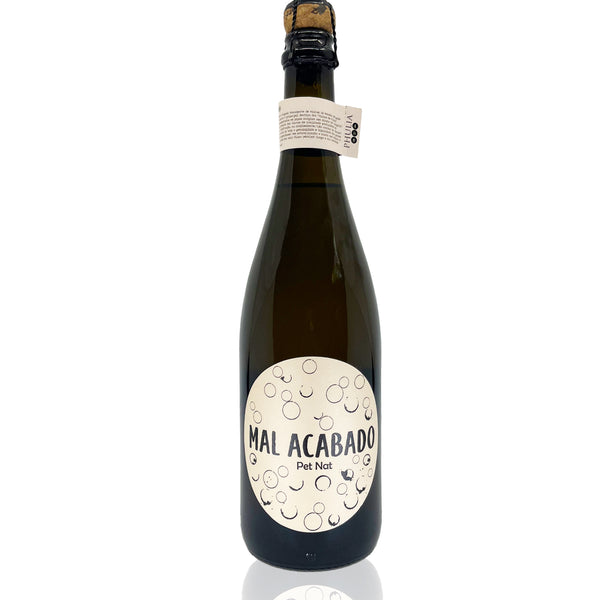
A juicy, naturally made Castelão created as part of Dirk Niepoort’s Nat Cool project—light, vibrant, slightly wild and bottled by the litre because some wines are simply made to be shared.
Espera NatCool is made from 100% Castelão, carefully selected from an east-facing vineyard planted on clay-limestone soils and influenced by Portugal’s cool Atlantic climate. The aim is to capture both the freshness and minerality of the region and the naturally bright, expressive personality of Castelão.
The grapes are hand-harvested into small 15kg cases before undergoing natural fermentation with indigenous yeasts. A very short three-day maceration keeps extraction gentle, allowing the wine to retain its beautiful ruby colour, fresh fruit and light-bodied character. Fermentation and maturation take place entirely in stainless steel, with no oak to get between you and the fruit.
One of the secrets behind that wonderfully juicy personality is carbonic maceration. Rather than treating the grapes like a conventional red wine, fermentation begins within the intact berries, encouraging incredibly bright fruit flavours while keeping tannins soft and the wine light on its feet. It’s a technique perfectly suited to the Nat Cool philosophy: maximum freshness, minimum heaviness and a wine that practically begs to be served with a slight chill.
Expect fresh cherry and pomegranate, with crunchy red fruit, delicate floral and herbal notes and a subtle mineral edge. On the palate it’s light-bodied but intensely fresh, with lively acidity, soft tannins and an incredibly juicy, refreshing finish.
At 12.2% ABV and just 1.8 g/L residual sugar, this is firmly dry and refreshingly easy-going. Serve it at around 13°C—straight from the fridge and given a few minutes to warm up works beautifully. And, in true Nat Cool fashion, it comes in a generous 1-litre bottle, because this is very much a wine designed for the middle of the table. Only 2,500 bottles were produced.
What exactly is Nat Cool?
Nat Cool is a collaborative wine project founded by legendary Portuguese winemaker Dirk Niepoort, bringing together independent producers who share a similar philosophy: wines should be naturally made, fresh, lower in alcohol, incredibly drinkable and, above all, fun.
Rather than being a single wine made by Niepoort, Nat Cool gives participating winemakers the freedom to create their own interpretation of that philosophy. Espera’s contribution is this wonderfully energetic Castelão—a grape perfectly suited to the project’s lighter, fresher approach.
There’s also a reason for that unusual 1-litre bottle. Nat Cool deliberately moves away from the preciousness that can sometimes surround wine. The larger format reinforces the idea that these are uncomplicated wines made for opening, passing around and enjoying rather than endlessly contemplating.
Meet Castelão
Castelão is one of Portugal’s historic native red varieties, particularly at home in the country’s warmer coastal regions. It can produce deeply coloured, structured wines, but when handled gently—as Rodrigo does here—it reveals a completely different personality.
Its natural combination of red fruit, acidity and savoury character makes it particularly well suited to this lighter style. Here, Castelão gives vibrant cherry and pomegranate alongside subtle herbs, florals and spice, while the Atlantic influence helps maintain the freshness that runs through the entire wine.
It’s a brilliant example of how an old Portuguese variety can feel thoroughly contemporary without losing what makes it distinctly Portuguese.
And even the label has a story to tell
Look closely at the wonderfully eccentric label and you’ll see a monk removing a piece of limestone from the land.
It references the Cistercian monks of Alcobaça and the agricultural history of the surrounding region. For centuries, the monks played an important role in cultivating and developing these lands, including working the area's challenging limestone-rich terrain.
That makes the image particularly fitting for Espera: the Castelão used for this wine grows on clay-limestone soils, connecting the bottle back to the landscape and history that shaped the region.
About Espera
Espera is the project of winemaker Rodrigo Martins and Ana Leal, founded in 2014 when Rodrigo began working with tiny vineyard parcels around Alcobaça, in Portugal’s Lisboa wine region. Rodrigo, an agronomic engineer with a master’s degree in viticulture and oenology, had spent years consulting for wineries throughout Portugal before creating something of his own; Ana is responsible for the distinctive identity of the brand.
The vineyards sit on a plateau around 120 metres above sea level, close to Nazaré and the Atlantic Ocean. That maritime influence is hugely important: cooler conditions and high humidity, combined with predominantly clay-limestone soils, give Espera’s wines their signature freshness, natural acidity, minerality and saline character.
Their approach in both vineyard and cellar is deliberately hands-off. Espera follows organic farming principles and low-intervention winemaking, avoiding unnecessary additives and allowing wines the time they need to develop rather than rushing them to market. Rodrigo uses natural fermentation; the wines are made without fining or filtration and with low levels of sulfur.
And even the name Espera has a lovely story behind it. In vineyard pruning, an espera is a secondary spur left behind to become a future fruit-bearing unit. But espera also means “wait” in Portuguese. That idea of patience became central to Rodrigo and Ana’s philosophy: rather than making wine according to a predetermined timetable, they wait until each wine tells them it’s ready to be shared.
Only 2,500 bottles of the 2024 NatCool were produced.
Aroma: Cherry · Pomegranate · Raspberry · Violet · Wild Herbs
Palate: Dry · Light-bodied · Juicy · Vibrant acidity · Soft tannins · Fresh finish
Pair with: Charcuterie · Pizza · Grilled chicken · Burgers · Pork · Tomato-based dishes · Grilled vegetables