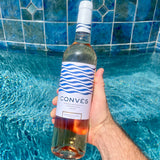
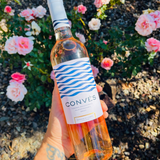
Herdade da Lisboa 'Convés' Rosé 2025
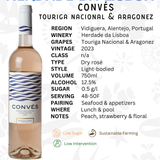
A beautifully fresh and elegant rosé from Portugal's sun-drenched Alentejo region, bursting with juicy red berries, delicate floral aromas and a wonderfully refreshing finish. Made from two of Portugal's most celebrated red grape varieties, Touriga Nacional and Aragonez, this charming wine captures the warmth of southern Portugal while revealing the surprising freshness that makes the wines of Vidigueira so special.
Herdade da Lisboa Convés Rosé comes from Vidigueira, in southern Portugal's Alentejo wine region, where rolling vineyards, ancient olive groves and golden landscapes stretch beneath the Mediterranean sun.
Made from Touriga Nacional and Aragonez, this expressive rosé brings together two traditional Portuguese red grapes usually associated with richly coloured, structured red wines.
But in the hands of the winemaker, they reveal a completely different personality.
Touriga Nacional contributes fragrant red fruit and delicate floral aromas, while Aragonez brings juicy strawberry, red cherry and a beautifully approachable character.
In the glass, expect a lovely pale salmon-pink colour with inviting aromas of fresh raspberry, strawberry, redcurrant and delicate flowers. On the palate, it's dry, light and wonderfully refreshing, with bright red fruit, balanced acidity and a smooth, pleasant finish.
At 12.5% ABV, this is a deliciously versatile rosé, equally enjoyable as an aperitif, alongside a leisurely seafood lunch or with a selection of traditional Portuguese petiscos.
And there's something particularly interesting about where it's made.
Although Alentejo is one of Portugal's warmest wine regions, Vidigueira has distinctive local growing conditions that can help produce wines with remarkable freshness.
Meet the grapes behind the blend
Two traditional Portuguese red grapes, each with a distinctive personality, come together to create this beautifully balanced rosé.
Touriga Nacional – The Aromatics and Elegance
Touriga Nacional is widely regarded as one of Portugal's finest indigenous red grape varieties.
Historically associated with the Douro and Dão regions, it's particularly famous for its important role in the production of Port wine.
But Touriga Nacional is also increasingly celebrated throughout Portugal, including Alentejo, where it can produce wonderfully expressive dry red wines and rosés.
Typical characteristics include blackberry, raspberry, violet, dark plum and delicate herbal notes, often accompanied by impressive tannin structure.
One of the grape's defining characteristics is its relatively small berries, which have a high proportion of skin to juice.
This makes it particularly valuable for producing deeply coloured, structured red wines.
However, when used for rosé, careful pressing and limited skin contact allow the winemaker to capture its more delicate red fruit and floral characteristics without extracting excessive colour or tannin.
In Convés Rosé, Touriga Nacional contributes aromatic elegance, fragrant berries and a lovely floral lift.
Aragonez – The Juicy Red Fruit
Aragonez is one of Portugal's most important traditional red grapes, particularly associated with Alentejo.
But here's an interesting connection: Aragonez is the same grape as Tempranillo, one of Spain's most famous red varieties and the backbone of many celebrated Rioja and Ribera del Duero wines.
In northern Portugal, particularly the Douro and Dão regions, it's more commonly known as Tinta Roriz.
Typical characteristics include strawberry, red cherry, raspberry and plum, sometimes accompanied by subtle spice and earthy notes.
Aragonez is particularly valued for its versatility, producing everything from light, fruit-forward wines to deeply structured reds capable of ageing.
In rosé, its juicy red fruit character is especially appealing.
In Convés, Aragonez brings delicious strawberry and cherry flavours, creating a beautifully approachable, refreshing wine.
Together, Touriga Nacional and Aragonez create a rosé that combines fragrant florals, juicy red berries and wonderfully balanced freshness.
How can powerful red grapes make delicate rosé?
One of the most fascinating things about rosé is that the same grapes used to produce powerful, deeply coloured red wines can also create beautifully pale, refreshing pink wines.
The secret lies largely in how the grapes are handled during winemaking.
Most red grapes have clear or nearly colourless juice, with their pigments concentrated primarily in the skins.
When producing red wine, winemakers typically ferment the juice in contact with the skins, extracting colour, tannins and flavour.
For rosé, however, that contact is carefully limited.
The grapes may be pressed relatively quickly, or the juice may spend only a short time in contact with the skins before being separated.
This allows the winemaker to extract enough colour and flavour to create a rosé without developing the heavier tannins associated with red wine.
And here's something particularly interesting.
The colour of a rosé doesn't necessarily tell you how sweet or dry it will taste.
A pale salmon-coloured rosé can be completely dry, while a deeper pink rosé may also be dry and refreshing.
Colour depends on factors such as grape variety, skin contact and winemaking technique, rather than simply the wine's sweetness.
Convés Rosé is a lovely example of how traditional red grapes can produce something beautifully delicate and refreshing.
Why is freshness so surprising in Alentejo?
Alentejo is one of Portugal's warmest wine regions, famous for its vast plains, cork oak forests, ancient olive groves and generous red wines.
Summers are typically hot and dry, with abundant sunshine helping grapes develop ripe fruit and concentrated flavours.
And while these conditions are excellent for producing rich reds, they can present challenges when making delicate, refreshing rosés.
As grapes ripen, sugar levels generally increase while acidity can decline.
For a winemaker, the challenge is finding the right balance between flavour development and freshness.
This is where vineyard location, grape selection and harvest timing become particularly important.
Vidigueira, in southern Alentejo, benefits from a distinctive local climate influenced by the nearby Serra do Mendro.
The mountain range helps shape local airflow and temperature patterns, creating conditions that can moderate some of the region's intense summer heat.
Differences between daytime and nighttime temperatures can also help preserve acidity as grapes mature.
And for rosé, that freshness is particularly valuable.
The result can be wines that combine the generous fruit associated with Alentejo and the crisp, lively character that makes rosé so enjoyable.
Convés Rosé is a wonderful introduction to this unexpected side of southern Portuguese winemaking.
What makes Vidigueira special?
Vidigueira is one of the recognised subregions of Alentejo, situated in the southern part of this vast wine-producing area.
The region is known for its warm Mediterranean climate, agricultural traditions and distinctive landscape of vineyards, olive groves and rolling countryside.
But Vidigueira also has a fascinating winemaking history.
Alongside its modern wines, the area is associated with traditional talha winemaking, a method involving large clay vessels that dates back to Roman times.
In this ancient approach, grapes are fermented in large clay pots known as talhas, often with their skins and other solids present during fermentation.
The tradition has survived for centuries in Alentejo and remains an important part of the region's cultural heritage.
Although Convés Rosé is a modern, fresh style rather than a traditional talha wine, it comes from a region where ancient and contemporary winemaking traditions exist side by side.
It's a lovely reminder of the extraordinary diversity of Portuguese wine.
What does Convés mean?
The name Convés means "deck of a boat" in Portuguese.
And it has a fascinating connection to one of Portugal's most famous maritime explorers.
In 1498, Vasco da Gama reached India by sailing around the southern tip of Africa, establishing a direct maritime route between Europe and Asia.
His voyage became one of the defining events of Portugal's Age of Discovery.
In recognition of his achievements, Vasco da Gama was later granted the title Count of Vidigueira.
His connection to the area forms part of the historical inspiration behind Herdade da Lisboa's Convés range.
The name pays tribute to Portugal's maritime heritage and the region's association with one of its most famous navigators.
It's a lovely reminder that Portuguese wine labels often tell stories extending far beyond the vineyard, connecting the country's wines with its history, culture and traditions.
Why does rosé work so well with food?
Rosé is sometimes thought of as simply a refreshing summer drink, but it's actually one of the most versatile styles of wine at the dinner table.
And much of that versatility comes from its balance of fruit, acidity and relatively gentle tannins.
Acidity helps refresh the palate, particularly when eating rich or oily foods.
This makes rosé a wonderful partner for grilled salmon, shrimp, seafood rice and dishes prepared with olive oil.
Its red fruit characteristics can also complement tomato-based dishes, grilled vegetables and lightly spiced foods.
And because rosé generally has less tannin than a structured red wine, it can work particularly well with dishes that might make a tannic red feel harsh or overpowering.
Convés Rosé's combination of fragrant berries, balanced acidity and delicate texture makes it especially enjoyable with Mediterranean and Portuguese cuisine.
Think grilled shrimp with garlic and olive oil, fresh tomato salads, roasted vegetables, charcuterie or a leisurely plate of petiscos.
It's the sort of wine that works just as well with food as it does on its own.
About Herdade da Lisboa
Herdade da Lisboa is a family-owned wine estate in Selmes, near Vidigueira, in Portugal's Alentejo region.
Although the property has a winemaking history stretching back to the 18th century, its modern chapter began in 2011, when it was acquired by João Cardoso and his two sons.
The family has invested in developing the estate while preserving its agricultural heritage, combining modern winemaking with traditional Alentejo practices.
The property encompasses approximately 350 hectares, including around 100 hectares of vineyards and extensive olive groves.
Its vineyards are planted with both Portuguese and international grape varieties, reflecting the diversity of modern Alentejo winemaking.
Alongside Aragonez and Touriga Nacional, the estate grows varieties such as Alicante Bouschet, Trincadeira, Syrah and Cabernet Sauvignon.
The winery also produces olive oil, another important part of Alentejo's agricultural traditions.
Sustainability plays an important role in the estate's approach, with vineyard practices designed to manage water, energy and other resources responsibly.
During our visit, we met winemaker Ricardo and commercial director Alexandre, and were particularly impressed by the freshness they achieved in a region famous for its warm climate.
We were also treated to migas, a traditional Alentejo dish made with bread, garlic and olive oil, which offered a delicious introduction to the region's food culture.
For us, Herdade da Lisboa represents one of the things we love most about Portuguese wine: family-run producers combining local history, traditional grapes and thoughtful winemaking to create wines with genuine character.
And Convés Rosé is a particularly lovely expression of their approach, combining the warmth and generous fruit of Alentejo with the elegance and freshness that make a beautifully crafted rosé so enjoyable.
Aroma: Raspberry · Strawberry · Redcurrant · Red Cherry · Delicate Florals
Palate: Dry · Light-bodied · Juicy Red Berries · Balanced Acidity · Smooth Texture · Fresh, Pleasant Finish
Pair with: Grilled Shrimp · Seafood Rice · Grilled Salmon · Sushi · Fresh Salads · Portuguese Petiscos · Roast Chicken · Mediterranean Vegetables · Soft Cheeses
Serving Temperature: 8–10°C / 46–50°F