Casa da Tojeira 'Tojeira' Pét-Nat Azal White 2025
A lively, wonderfully refreshing naturally sparkling wine from the mountainous Basto subregion of Vinho Verde, made entirely from the little-known Portuguese grape Azal. Bursting with crisp green apple, juicy peach and bright citrus, with energetic bubbles and a delightfully rustic personality.
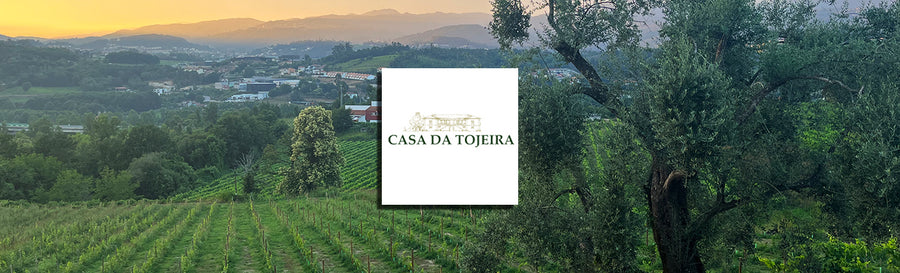
Casa da Tojeira Pét-Nat Azal comes from Faia, near Cabeceiras de Basto, where vineyards surround a magnificent 17th-century manor house in northern Portugal. Made from 100% Azal, a traditional indigenous white grape particularly associated with the inland areas of Vinho Verde, this distinctive wine celebrates the grape's naturally vibrant acidity and refreshing character.
Unlike conventional sparkling wines, which undergo a separate second fermentation, this wine is produced using the ancestral method, commonly known as Pét-Nat. The grapes are harvested by hand, gently pressed and fermented at controlled temperatures. Before fermentation has finished, the wine is bottled with some natural grape sugars still remaining, allowing fermentation to finish inside the bottle and creating its characteristic bubbles.
The result is a wonderfully expressive sparkling wine with a more relaxed, playful personality. Expect fresh green apple, ripe peach, citrus and delicate floral aromas, alongside lively bubbles and a beautifully refreshing acidity. A little natural cloudiness may be present, adding to the wine's rustic charm.
At 12% ABV, it's a wonderfully versatile wine, perfect for a sunny afternoon, a relaxed gathering with friends or alongside fresh seafood and lighter dishes.
What makes Azal special?
Azal is one of Portugal's lesser-known indigenous white grape varieties, traditionally grown in the Vinho Verde region, particularly in its more inland subregions such as Basto.
While grapes such as Alvarinho and Loureiro have gained international recognition, Azal remains something of a hidden gem.
Its defining characteristic is its remarkably high natural acidity, which gives wines their wonderfully crisp, mouthwatering freshness.
Azal typically produces wines with aromas of green apple, lemon, lime and delicate white flowers, sometimes accompanied by subtle mineral or herbal characteristics.
And there's an interesting reason why Azal is particularly associated with the inland areas of Vinho Verde.
The grape is relatively late-ripening and benefits from the warmer summer conditions found away from the Atlantic coast. In cooler coastal areas, it can struggle to achieve sufficient ripeness, resulting in exceptionally sharp wines.
But in Basto, where summers are generally warmer and drier, Azal can develop more expressive fruit flavours while retaining the naturally vibrant acidity that makes it so distinctive.
That acidity makes Azal particularly interesting for sparkling wine production, where freshness is essential for balancing the bubbles.
Casa da Tojeira's Pét-Nat is a wonderful example of how this often-overlooked grape can shine on its own.
What exactly is Pét-Nat?
Pét-Nat is short for Pétillant Naturel, a French expression meaning "naturally sparkling".
Although the name might sound modern, the technique is actually one of the oldest methods of producing sparkling wine.
Known as the ancestral method, it predates the traditional method associated with Champagne.
The process begins much like ordinary still-wine production, with yeast converting the natural sugars in grape juice into alcohol and carbon dioxide.
But here's where things get interesting.
Instead of waiting for fermentation to finish, the winemaker bottles the wine while it's still fermenting.
Because the bottle is sealed, the carbon dioxide produced during the remaining fermentation becomes trapped, creating natural bubbles.
Unlike traditional-method sparkling wine, there's generally no need for a separate second fermentation.
And because Pét-Nats are often bottled without the extensive clarification associated with conventional sparkling wines, they can retain some natural sediment, giving them a slightly cloudy appearance.
The result is a wonderfully individual style of sparkling wine, often characterised by lively fruit, refreshing acidity and a slightly rustic, playful personality.
Why is Pét-Nat sometimes cloudy?
One of the first things people notice about Pét-Nat is that it doesn't always look like conventional sparkling wine.
Some bottles are beautifully clear, while others can appear slightly hazy or cloudy.
That cloudiness usually comes from naturally occurring yeast sediment left behind after fermentation.
During fermentation, yeast consumes sugar and produces alcohol and carbon dioxide. Once fermentation finishes, the yeast settles at the bottom of the bottle.
Many traditional-method sparkling wines undergo a process called disgorgement, which removes this sediment before the bottle is sold.
Pét-Nats, however, are often left undisgorged, preserving some of that natural sediment.
It's perfectly normal and part of the style, although the amount of sediment varies between producers and bottlings.
If you prefer a clearer glass, keep the bottle upright in the refrigerator and pour gently. If you enjoy the more rustic character, the sediment can be incorporated into the final glass.
Either way, it's a lovely reminder that Pét-Nat is a wine shaped by fermentation rather than simply by adding bubbles.
What makes Basto special?
Basto is one of the most inland subregions of Vinho Verde, where the lush green landscapes of northern Portugal begin to meet the rugged mountains of Trás-os-Montes.
Unlike the cooler, wetter coastal vineyards, Basto experiences colder winters and warmer, drier summers, allowing grapes to develop expressive fruit while maintaining the refreshing acidity for which Vinho Verde is famous.
The region's predominantly granite soils, mountainous surroundings and the influence of the Tâmega River create distinctive growing conditions.
These conditions are particularly well suited to Azal, a late-ripening variety that benefits from warmer summer temperatures while retaining its naturally high acidity.
And while Vinho Verde is internationally famous for its refreshing white wines, the region is also home to an increasingly diverse range of winemaking styles, including traditional-method sparkling wines and Pét-Nats.
Casa da Tojeira's Azal Pét-Nat is a wonderful example of how historic Portuguese grape varieties can be reimagined through different winemaking techniques.
About Casa da Tojeira
Casa da Tojeira is a historic 17th-century manor house and wine estate located in Faia, near Cabeceiras de Basto, in the Basto subregion of Vinho Verde.
The magnificent manor house has stood for more than 300 years, preserving the architecture, traditions and character of northern Portugal.
At the end of the 20th century, the estate entered a new chapter when it was inherited by Mário Sousa, who restored the historic property and helped develop its wine tourism and hospitality activities.
Today, Casa da Tojeira combines winemaking, accommodation and hospitality, welcoming visitors to experience its historic house, surrounding vineyards and the beautiful Basto countryside.
The winery works with a diverse collection of Portuguese indigenous grape varieties, including Alvarinho, Arinto, Azal, Avesso, Loureiro, Trajadura and Vinhão.
Under the direction of winemakers Filipe Ribeiro and Nuno Grosso, Casa da Tojeira produces everything from elegant still wines to traditional-method sparkling wines and naturally sparkling Pét-Nats.
Their Azal Pét-Nat is a particularly exciting expression of the estate's approach, celebrating a traditional northern Portuguese grape through one of the oldest methods of sparkling wine production.
It's a wonderful combination of Portuguese heritage, modern curiosity and the naturally refreshing character of Vinho Verde.
Aroma: Green Apple · Peach · Citrus · Delicate Florals
Palate: Dry · Lively Bubbles · Vibrant Acidity · Fresh Orchard Fruit · Harmonious Finish
Pair with: Oysters · Grilled Shrimp · Clams · Fried Calamari · Sushi · Seafood Rice · Fresh Salads · Soft Cheeses
Serving Temperature: 8°C / 46°F