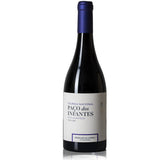
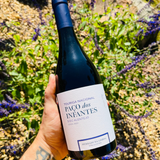
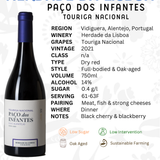
Herdade da Lisboa 'Paço dos Infantes' Touriga Nacional Red 2022
A beautifully rich, elegant and expressive red wine from Portugal's sun-drenched Alentejo region, showcasing one of the country's most celebrated indigenous grape varieties. Bursting with ripe cherries, dark plums and delicate floral aromas, with subtle oak spice and wonderfully polished tannins, this sophisticated Touriga Nacional demonstrates why Portugal's native grapes deserve a place alongside the world's finest red wines.
Herdade da Lisboa Paço dos Infantes Touriga Nacional comes from Vidigueira, in southern Portugal's Alentejo wine region, where rolling vineyards, ancient olive groves and golden landscapes stretch beneath the Mediterranean sun.
Made entirely from Touriga Nacional, one of Portugal's most prestigious red grape varieties, this elegant wine reveals the remarkable character of a grape historically associated with the Douro Valley and the production of Port.
But Touriga Nacional has a great deal more to offer than fortified wine.
In the warm, sunny vineyards of Alentejo, it develops beautifully ripe fruit, expressive aromatics and impressive structure, creating red wines that combine richness with elegance.
In the glass, expect a deep ruby colour with inviting aromas of ripe cherry, fresh plum, blackberry and delicate violet, complemented by subtle toasted and spicy notes associated with oak maturation.
On the palate, it's dry, generous and beautifully structured, with concentrated fruit, finely polished tannins and a velvety texture. A welcome freshness helps balance the richness, leading to a long, elegant finish.
This is a wonderful wine for anyone who enjoys expressive, structured reds but appreciates balance and refinement alongside power.
And there's something particularly interesting about the grape itself.
Touriga Nacional is one of Portugal's most recognisable varieties, yet its ability to produce exceptional dry red wines is still something many wine drinkers are only beginning to discover.
What makes Touriga Nacional so special?
Touriga Nacional is widely regarded as one of Portugal's most important indigenous red grapes, celebrated for its concentrated fruit, distinctive floral aromas and impressive ageing potential.
Historically associated with the Douro and Dão regions, Touriga Nacional became particularly famous for its role in the production of Port wine.
But over the past several decades, Portuguese winemakers have increasingly demonstrated its remarkable potential as a standalone dry red wine.
And it's easy to understand why.
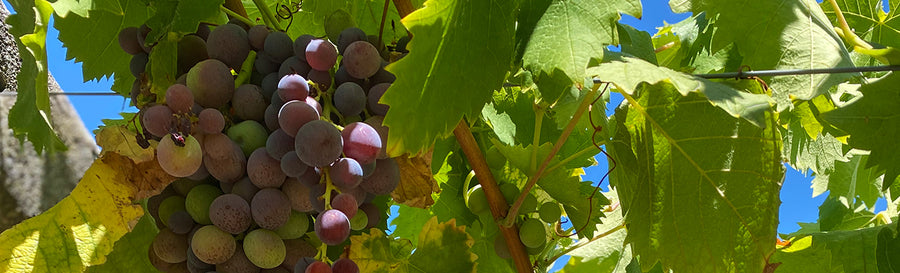
Touriga Nacional typically produces small berries with relatively thick skins, giving the grapes a high proportion of skin to juice.
This is important because grape skins contain many of the compounds responsible for a red wine's colour, tannin and aromatic character.
The result can be wines with deep colour, concentrated flavours and impressive structure.
Typical aromas include blackberry, blackcurrant, ripe plum and dark cherry, often accompanied by distinctive floral notes of violet and sometimes rose.
That floral character is one of Touriga Nacional's most recognisable features.
Even when the wine is deeply coloured and powerful, those delicate aromas can provide an unexpected sense of elegance.
In Paço dos Infantes, Touriga Nacional reveals its beautifully expressive personality through ripe fruit, subtle florals and a structured yet velvety palate.
Why is Touriga Nacional so important to Portuguese wine?
Portugal has hundreds of indigenous grape varieties, many of which are rarely encountered outside the country.
But Touriga Nacional has become one of the most internationally recognised.
Its reputation was originally built on its contribution to Port, where its concentration, colour and tannin structure make it particularly valuable in blends.
However, Touriga Nacional also plays an important role in Portugal's dry red wines.
In the Dão region, it can produce elegant, aromatic wines with freshness and structure.
In the Douro, it often creates concentrated reds with dark fruit and impressive ageing potential.
And in Alentejo, where the climate is generally warmer, it can develop a particularly generous, ripe fruit character.
The fascinating thing is that the same grape can express itself differently depending on where it's grown.
Climate, soils, vineyard exposure, harvest timing and winemaking decisions all influence the finished wine.
This is one of the reasons Touriga Nacional is so interesting to explore.
It's a distinctly Portuguese grape capable of producing a remarkable range of styles, from fragrant, elegant reds to powerful, age-worthy wines.
And Paço dos Infantes offers a lovely opportunity to discover its expression in southern Portugal.
Why does Touriga Nacional smell of violets?
One of the most distinctive characteristics of Touriga Nacional is its beautiful floral aroma.
While many red grapes are associated primarily with berries, cherries or plums, Touriga Nacional can display a particularly noticeable violet-like fragrance.
But where does that aroma come from?
Wine contains naturally occurring aromatic compounds that can remind us of flowers, fruits, herbs and spices.
Some floral impressions are associated with compounds called terpenes, while others arise from different families of aroma molecules.
One particularly interesting group includes compounds known as norisoprenoids, which can contribute floral and fruity impressions to wine.
These aromatic compounds are influenced by the grape variety, vineyard conditions, ripeness and winemaking.
And importantly, the presence of violet aromas doesn't mean that flowers have been added to the wine.
They're simply part of the grape's natural aromatic potential.
Touriga Nacional is especially celebrated for combining these delicate floral characteristics with concentrated dark fruit and substantial structure.
It's that contrast between power and perfume that makes the grape so compelling.
What makes Vidigueira different from the rest of Alentejo?
Alentejo is one of Portugal's warmest and most expansive wine regions, famous for its vast plains, ancient cork oak forests and generous red wines.
But the region is far more diverse than its reputation for sunshine might suggest.
Vidigueira, in southern Alentejo, benefits from distinctive local growing conditions influenced by the nearby Serra do Mendro.
This mountain range helps shape local airflow and temperature patterns, contributing to differences between vineyard sites.
These variations can be particularly important for grape growing.
During warm days, grapes develop sugar and flavour as they ripen.
Cooler nighttime temperatures can help slow the loss of acidity, allowing grapes to retain freshness.
And for a grape such as Touriga Nacional, which naturally produces concentrated fruit and substantial tannins, maintaining that balance is particularly valuable.
The aim isn't simply to produce the ripest possible grapes.
It's to achieve a combination of flavour concentration, aromatic complexity, tannin maturity and refreshing acidity.
This is one of the things that makes Herdade da Lisboa's wines so appealing.
Despite coming from a warm southern region, they can retain a lovely freshness alongside their generous fruit.
Why does oak ageing make red wine smoother?
Oak barrels have been used in winemaking for centuries, but their role extends far beyond adding woody flavours.
Oak maturation can influence a wine's texture, aroma and overall balance.
During barrel ageing, small amounts of oxygen can gradually interact with the wine.
This slow process can encourage changes in tannin structure, helping the wine develop a more integrated and rounded mouthfeel.
Oak can also contribute aromatic compounds associated with vanilla, toast, spice and sometimes smoke.
However, the amount of flavour contributed depends on factors such as the type of oak, barrel size, age of the barrel and length of maturation.
New barrels generally contribute more pronounced oak flavours than barrels that have already been used.
For Paço dos Infantes Touriga Nacional, Herdade da Lisboa has previously employed French oak maturation, complementing the grape's concentrated fruit and naturally structured character.
The result is a wine style in which ripe cherry and plum can sit alongside delicate toasted notes and beautifully polished tannins.
And here's an important point.
The best oak ageing doesn't necessarily make a wine taste strongly of wood.
Instead, it can help bring the fruit, tannins and texture together into a more harmonious whole.
That's what makes the combination of Touriga Nacional and carefully managed oak maturation so appealing.
Why can Touriga Nacional age so beautifully?
Not every red wine is intended for long-term cellaring.
Some are deliberately made to be enjoyed young, emphasising vibrant fruit and immediate approachability.
Others possess characteristics that can allow them to develop greater complexity over time.
Touriga Nacional is particularly interesting because it can produce wines with several qualities associated with ageing potential.
These include concentrated fruit, substantial tannins, good acidity and deep colour.
Tannins help contribute structure, while acidity supports freshness and balance.
Over time, a well-made red wine may develop aromas beyond its original fruit character.
Fresh berries can evolve towards dried fruit, while additional notes of leather, tobacco, woodland or savoury spice may emerge.
The tannins can also become more integrated, creating a softer, more harmonious texture.
However, ageing potential depends on the particular wine, vintage, storage conditions and winemaking approach.
Not every Touriga Nacional needs years in a cellar to be enjoyable.
Paço dos Infantes is designed to offer the richness and structure associated with the grape while remaining beautifully approachable.
What does Paço dos Infantes mean?
The name Paço dos Infantes has an intriguing connection to Portugal's royal history.
In Portuguese, paço refers to a palace or noble residence, while infantes traditionally refers to royal princes or princesses who are not the reigning monarch.
The name therefore evokes the residences and heritage associated with Portugal's royal family.
It's a fitting name for a wine that occupies a more distinguished position within Herdade da Lisboa's portfolio.
But the name also has an important connection to the estate's own history.
Paço dos Infantes was already an established wine brand associated with the property during the 1980s and 1990s, long before the Cardoso family acquired Herdade da Lisboa.
During that period, the estate contributed to the growing recognition of quality wines from Alentejo.
Today, the Paço dos Infantes range continues that tradition, celebrating the region's winemaking heritage through carefully crafted wines.
It's a lovely reminder that Portuguese wine labels often carry stories about both national history and the individual estates that produce them.
Why is this different from Convés Red?
Although both wines come from Herdade da Lisboa, they offer two different ways to explore Alentejo.
Convés Red is a blend of Aragonez, Alicante Bouschet and Syrah, bringing together juicy fruit, generous colour and subtle spice.
Its appeal lies in the harmony of several grape varieties working together.
Paço dos Infantes Touriga Nacional, by contrast, focuses entirely on a single Portuguese grape.
Rather than combining different varieties, it allows Touriga Nacional's distinctive characteristics to take centre stage.
That means greater emphasis on its fragrant violet aromas, concentrated dark fruit and naturally structured tannins.
It's a wonderful comparison because it demonstrates two different approaches to winemaking.
Blending allows the winemaker to combine complementary characteristics from several varieties.
A single-varietal wine offers an opportunity to explore the personality of one grape in greater depth.
Neither approach is inherently better, but they create different experiences.
For customers discovering Portuguese wine, tasting Convés and Paço dos Infantes side by side can be a fascinating introduction to the diversity of Alentejo.
About Herdade da Lisboa
Herdade da Lisboa is a family-owned wine estate in Selmes, near Vidigueira, in Portugal's Alentejo region.
Although the property has a winemaking history stretching back to the 18th century, its modern chapter began in 2011, when it was acquired by João Cardoso and his two sons.
The family has invested in developing the estate while preserving its agricultural heritage, combining modern winemaking with traditional Alentejo practices.
The property encompasses approximately 350 hectares, including around 100 hectares of vineyards and extensive olive groves.
Its vineyards are planted with both Portuguese and international grape varieties, reflecting the diversity of modern Alentejo winemaking.
Alongside Touriga Nacional, the estate grows varieties such as Aragonez, Alicante Bouschet, Trincadeira, Syrah and Cabernet Sauvignon.
The winery also produces olive oil, another important part of Alentejo's agricultural traditions.
Sustainability plays an important role in the estate's approach, with vineyard practices designed to manage water, energy and other resources responsibly.
During our visit, we met winemaker Ricardo and commercial director Alexandre, and were particularly impressed by the freshness they achieved in a region famous for its warm climate.
We were also treated to migas, a traditional Alentejo dish made with bread, garlic and olive oil, which offered a delicious introduction to the region's food culture.
For us, Herdade da Lisboa represents one of the things we love most about Portuguese wine: family-run producers combining local history, traditional grapes and thoughtful winemaking to create wines with genuine character.
And Paço dos Infantes Touriga Nacional is a particularly beautiful expression of that philosophy, showcasing one of Portugal's finest indigenous red grapes through the distinctive character of southern Alentejo.
Aroma: Ripe Cherry · Fresh Plum · Blackberry · Violet · Delicate Toasted Spice
Palate: Dry · Full-bodied · Concentrated Dark Fruit · Fine, Polished Tannins · Velvety Texture · Elegant, Long Finish
Pair with: Grilled Ribeye · Roast Lamb · Braised Beef · Portuguese Pork Cheeks · Venison · Mushroom Risotto · Aged Manchego · Mature Cheddar
Serving Temperature: 16–18°C / 61–64°F