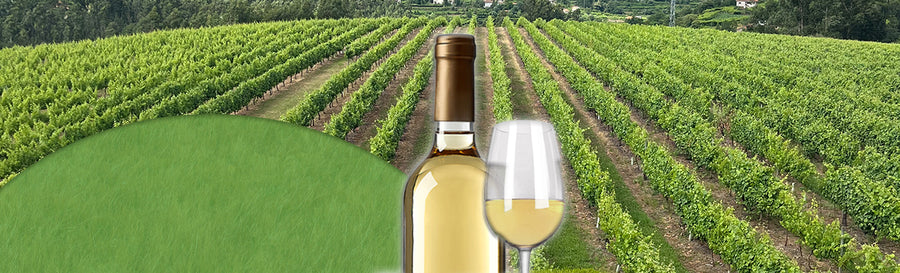
Casa Santa Eulália Grande Escolha Alvarinho & Trajadura White 2025
A beautifully balanced and expressive white wine from the mountainous Basto subregion of Vinho Verde, combining vibrant citrus, juicy orchard fruit and delicate floral aromas. Made from two traditional Portuguese grapes that complement each other wonderfully, this is a fresh, elegant wine with a little more depth and character than you might expect from Vinho Verde.
Casa Santa Eulália Grande Escolha Alvarinho & Trajadura comes from the picturesque village of Atei, near Mondim de Basto, where the family's vineyards overlook the Tâmega River.
Made from 60% Alvarinho and 40% Trajadura, this beautifully expressive wine brings together two indigenous Portuguese grapes with distinctly different personalities.
The vineyards sit approximately 240 metres above sea level on east-facing slopes with granite-rich soils, enjoying the gentle morning sunshine while avoiding some of the more intense afternoon heat.
The grapes are harvested by hand, destemmed and gently pressed. The juice is allowed to settle for 48 hours before fermentation in temperature-controlled stainless-steel tanks. The wine then spends two months ageing on its fine lees, developing additional texture while preserving its beautifully fresh character.
In the glass, expect a bright pale lemon colour with expressive aromas of ripe pear, golden apple, citrus and delicate white flowers, accompanied by subtle tropical notes. On the palate, it's dry, elegant and beautifully balanced, with lively acidity, juicy orchard fruit and a smooth, refreshing finish.
At 12.5% ABV, it's an incredibly versatile wine, equally enjoyable on its own or alongside fresh seafood, grilled fish and lighter Portuguese dishes.
Meet the grapes behind the blend
Two traditional Portuguese white grapes, each bringing something different to the glass, come together to create a beautifully harmonious Vinho Verde.
Alvarinho (60%) – The Freshness and Structure
Alvarinho is one of Portugal's most celebrated indigenous white grape varieties, particularly associated with the Vinho Verde region in northern Portugal.
Across the border in Galicia, Spain, the same grape is known as Albariño.
It's prized for its ability to combine expressive aromas, naturally refreshing acidity and impressive structure.
Typical characteristics include grapefruit, lemon, peach, apricot and tropical fruit, sometimes accompanied by delicate floral or mineral notes.
While many people associate Vinho Verde with light, youthful wines, Alvarinho is capable of producing much more structured whites with genuine complexity and ageing potential.
In this blend, Alvarinho provides the backbone, contributing vibrant acidity, citrus-driven freshness and structure.
Trajadura (40%) – The Softness and Fruit
Trajadura is another traditional white grape from northern Portugal, although it's much less familiar to international wine drinkers.
Across the border in Galicia, it's known as Treixadura, where it plays an important role in the white wines of Ribeiro.
Compared with Alvarinho, Trajadura generally produces wines with softer acidity, a rounder mouthfeel and delicate orchard fruit flavours.
Typical characteristics include ripe pear, apple, peach and subtle floral notes.
It's often blended with higher-acid grapes because of its ability to soften their sharper edges and create a more rounded, approachable wine.
In this blend, Trajadura contributes gentle fruit, texture and balance, complementing Alvarinho's lively personality.
Together, the result is a wine that combines Alvarinho's energy with Trajadura's elegance, creating a beautifully refreshing yet rounded expression of Vinho Verde.
What does Grande Escolha mean?
You may have noticed that Portuguese wine labels sometimes include terms such as Colheita Selecionada, Reserva and Grande Escolha.
But what do they actually mean?
Grande Escolha translates roughly as "Great Selection", suggesting a wine selected for its quality and character.
In Portuguese wine regulations, it's a recognised quality designation associated with wines that meet additional sensory quality requirements.
Importantly, Grande Escolha doesn't automatically mean that a wine has been aged in oak barrels.
Nor does it necessarily mean the wine is particularly powerful or high in alcohol.
A producer can create a Grande Escolha using carefully selected grapes, precise winemaking and stainless-steel fermentation, allowing the natural character of the fruit to shine.
That's exactly the appeal of Casa Santa Eulália's Alvarinho & Trajadura.
Rather than relying on oak or heavy extraction, the wine achieves its character through the balance of its two grapes, thoughtful vineyard management and a short period of fine-lees ageing.
The result is a wine that feels polished and expressive while remaining wonderfully fresh and approachable.
Why do east-facing vineyards matter?
One particularly interesting detail about this wine is the orientation of its vineyards.
Casa Santa Eulália's Alvarinho and Trajadura vines grow on east-facing slopes, approximately 240 metres above sea level.
In the Northern Hemisphere, east-facing vineyards receive their strongest direct sunlight during the morning, when temperatures are generally cooler.
As the sun moves west, these slopes can receive less intense direct sunshine during the hottest part of the afternoon.
This can be particularly useful in warmer inland wine regions, helping moderate heat exposure and supporting the preservation of acidity.
And acidity is especially important for wines like this.
It's what gives Alvarinho its lively, mouthwatering freshness and helps balance the softer, rounder character of Trajadura.
The vineyards' granite-derived soils and elevated position also form part of the distinctive growing environment of Basto.
It's a lovely reminder that the direction a vineyard faces can influence the style of wine in your glass.
What does ageing on the lees mean?
Although this wine is beautifully fresh and fruit-driven, there's an additional step in its winemaking that helps develop texture and complexity.
After fermentation, yeast cells naturally settle at the bottom of the tank. These are known as the lees.
Rather than removing them immediately, winemakers can leave the wine in contact with the fine lees for a period of time.
As the yeast cells gradually break down, they release compounds that can contribute additional body and a smoother mouthfeel.
Casa Santa Eulália's Alvarinho & Trajadura spends two months ageing on its fine lees before bottling.
This adds a little extra roundness and depth while preserving the grapes' natural citrus, orchard fruit and floral characteristics.
And because the wine is fermented and aged in stainless steel rather than oak, those delicate flavours remain beautifully clear.
It's a wonderful example of how careful winemaking can create a more interesting texture without sacrificing freshness.
What makes Basto special?
Basto is one of the most inland subregions of Vinho Verde, where the lush green landscapes of northern Portugal begin to meet the rugged mountains of Trás-os-Montes.
Unlike the cooler, wetter coastal vineyards, Basto experiences colder winters and warmer, drier summers, allowing grapes to develop expressive fruit while retaining the refreshing acidity for which Vinho Verde is famous.
The region's predominantly granite soils, mountainous surroundings and the influence of the Tâmega River create distinctive growing conditions.
These warmer inland conditions can allow grapes such as Alvarinho and Trajadura to develop ripe fruit characteristics while maintaining the freshness that defines the region.
And while Vinho Verde is internationally famous for its light, refreshing white wines, Basto is capable of producing more structured and expressive styles.
Casa Santa Eulália's Grande Escolha is a wonderful example, combining the elegance of traditional Vinho Verde with the ripeness and texture that the inland vineyards of Basto can provide.
About Casa Santa Eulália
Casa Santa Eulália is a historic family wine estate in Atei, near Mondim de Basto, in the Basto subregion of Vinho Verde.
The family's historic home dates back to the 17th century, and the property has been associated with the family since 1822, preserving generations of agricultural tradition in the beautiful Basto countryside.
Today, the winery is led by Francisco Marques Leandro, who combines the family's agricultural heritage with a modern approach to winemaking.
The vineyards overlook the Tâmega River and benefit from the region's granite-rich soils, warmer inland summers and mountainous surroundings.
Casa Santa Eulália works with a diverse range of indigenous Portuguese grape varieties, including Alvarinho, Arinto, Azal, Avesso, Loureiro, Trajadura, Espadeiro and Vinhão.
Alongside its approachable Plainas wines, the estate produces single-varietal expressions and carefully crafted blends that showcase the diversity of northern Portugal's traditional grapes.
Their Grande Escolha Alvarinho & Trajadura is a particularly lovely example, bringing together two varieties that have been grown and blended in this region for generations.
It's a wonderful reflection of a family winery that continues to preserve its heritage while producing wines that celebrate the freshness, elegance and distinctive character of Basto.
Aroma: Ripe Pear · Golden Apple · Citrus · White Flowers · Delicate Tropical Fruit
Palate: Dry · Light to Medium-bodied · Juicy Orchard Fruit · Lively Acidity · Smooth Texture · Refreshing Finish
Pair with: Grilled Shrimp · Clams · Seafood Rice · Grilled Sea Bass · Roast Chicken · Sushi · Fresh Salads · Light Pasta Dishes · Soft Cheeses
Serving Temperature: 8–10°C / 46–50°F