Casa da Tojeira 'Tojeira' Alvarinho 2024
A beautifully elegant Alvarinho from the mountainous Basto subregion of Vinho Verde, combining vibrant citrus, ripe apricot and refreshing acidity with a wonderfully rounded texture, produced at a historic Portuguese manor house dating back to the 17th century.
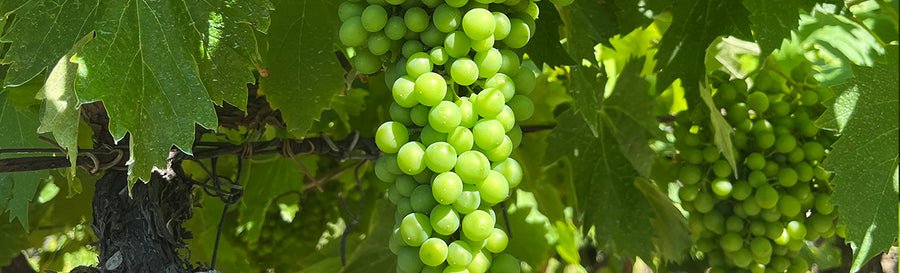
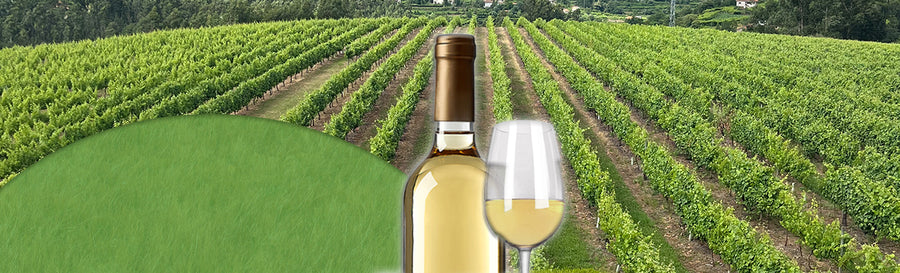
Casa da Tojeira Alvarinho comes from Faia, near Cabeceiras de Basto, where the vineyards surround a magnificent historic estate in the heart of northern Portugal. Made from 100% Alvarinho, one of Portugal's most celebrated indigenous white grapes, this wine offers a lovely combination of freshness, aromatic complexity and structure.
The grapes grow on granite soils at approximately 250 metres above sea level. They're harvested by hand, gently pressed and fermented in temperature-controlled stainless-steel tanks to preserve their delicate aromas. The wine then spends five months ageing on its lees with bâtonnage, a technique that adds texture and complexity without the need for oak barrels.
Expect beautiful aromas of fresh citrus, ripe apricot and delicate tropical fruit. On the palate, it's elegant and structured, with lively acidity, a generous mouthfeel and a wonderfully persistent finish. It's a lovely example of how Alvarinho can be both beautifully refreshing and surprisingly substantial.
What makes Alvarinho special?
Alvarinho is one of Portugal's most celebrated indigenous white grapes, particularly associated with the Vinho Verde region in northern Portugal.
Across the border in Galicia, Spain, the same grape is known as Albariño, where it's equally prized for producing wonderfully aromatic white wines.
What makes Alvarinho so interesting is its ability to combine intense aromatics, naturally refreshing acidity and impressive body. Typical aromas include citrus, peach, apricot and delicate floral notes, sometimes accompanied by a distinctive mineral or saline character.
Unlike the light, gently sparkling wines that many people associate with Vinho Verde, Alvarinho can produce serious, structured whites with excellent concentration and ageing potential.
Casa da Tojeira's version is a wonderful example, combining the grape's bright citrus personality with ripe stone fruit and a fuller, more rounded texture.
What does ageing on the lees mean?
This is one of the most interesting aspects of this wine.
After fermentation, yeast cells naturally settle at the bottom of the tank. These are known as the lees, and rather than removing them immediately, winemakers can leave the wine in contact with them to develop additional texture and complexity.
For Casa da Tojeira's Alvarinho, the wine spends five months on its lees in stainless steel, with a technique called bâtonnage.
Bâtonnage is the French term for stirring the lees, helping them remain in contact with the wine and encouraging the development of a richer, rounder mouthfeel.
The result is a wine with greater body and texture, while still preserving Alvarinho's naturally vibrant fruit and acidity.
And because all of this happens in stainless steel rather than oak, the wine retains its beautiful citrus and stone-fruit character without introducing vanilla or toasted wood flavours.
What makes Basto special?
Basto is one of the most inland subregions of Vinho Verde, where the lush green landscapes of northern Portugal begin to meet the rugged mountains of Trás-os-Montes.
Unlike the cooler coastal areas, Basto experiences colder winters and warmer, drier summers, creating conditions that allow grapes to develop ripe, expressive fruit while retaining the refreshing acidity for which Vinho Verde is famous.
The region's predominantly granite soils, mountainous surroundings and the influence of the Tâmega River create distinctive growing conditions.
These conditions are particularly interesting for Alvarinho, allowing it to develop greater concentration and texture while maintaining its natural freshness.
It's a wonderful reminder that Vinho Verde isn't just one style of wine, but a remarkably diverse region capable of producing everything from delicate, refreshing whites to more structured, complex expressions.
About Casa da Tojeira
Casa da Tojeira is a historic 17th-century manor house and wine estate located in Faia, near Cabeceiras de Basto, in the Basto subregion of Vinho Verde.
Originally built as a residence for prominent Portuguese families, the grand manor house has stood for more than 300 years, preserving the architecture, traditions and character of northern Portugal.
Today, the estate combines winemaking, hospitality and wine tourism, welcoming visitors to experience the historic house, surrounding vineyards and beautiful Basto countryside.
The winery works with an impressive range of Portuguese indigenous varieties, including Alvarinho, Arinto, Azal, Avesso, Loureiro, Trajadura and Vinhão, alongside other international and regional grapes.
The vineyards benefit from the meeting of Atlantic and continental climatic influences, giving the wines their distinctive combination of freshness, structure and complexity.
Under the direction of winemakers Filipe Ribeiro and Nuno Grosso, Casa da Tojeira produces wines that celebrate both the remarkable diversity of Vinho Verde and the centuries-old heritage of the estate.
It's a wonderful example of how Portugal's historic wine estates continue to evolve, combining traditional landscapes and grape varieties with modern winemaking techniques.
Aroma: Citrus · Apricot · Tropical Fruit · Delicate Florals
Palate: Dry · Medium-bodied · Vibrant Acidity · Rounded Texture · Mineral · Persistent Finish
Pair with: Grilled octopus · Shrimp · Oysters · Grilled salmon · Roast chicken · Creamy seafood pasta · Soft cheeses