Casa Santa Eulália Alvarinho White 2025
A beautifully elegant and expressive Alvarinho from the mountainous Basto subregion of Vinho Verde, combining vibrant citrus, ripe orchard fruit and a distinctive saline minerality. With refreshing acidity and a wonderfully rounded texture, this is a sophisticated expression of one of Portugal's most celebrated indigenous white grapes.
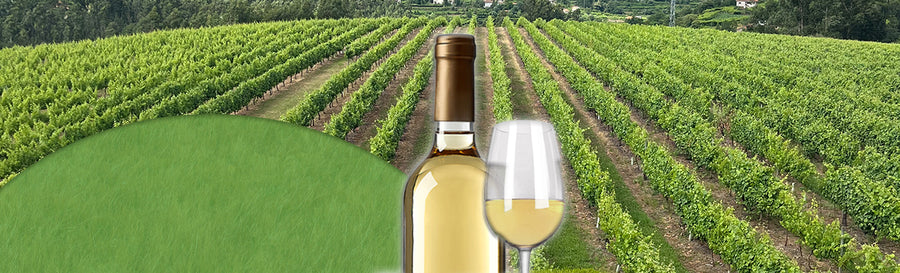
Casa Santa Eulália Alvarinho comes from the picturesque village of Atei, near Mondim de Basto, where the family's vineyards overlook the Tâmega River. Made from 100% Alvarinho, this beautifully expressive wine captures the wonderful balance of aromatic fruit, natural freshness and structure that makes the grape so special.
The wine is produced with a focus on preserving Alvarinho's delicate aromas while developing additional texture and complexity. Following fermentation, it spends an extended period in contact with its fine lees, helping create a fuller, more rounded mouthfeel without overwhelming the grape's natural character.
In the glass, expect a bright citrus colour with expressive aromas of grapefruit, fresh orange, green apple and white stone fruit, accompanied by delicate floral notes. On the palate, it's dry, elegant and beautifully balanced, with vibrant acidity, a distinctive mineral and saline character, and a wonderfully persistent finish.
At 12.5% ABV, it's a more structured expression of Vinho Verde, equally enjoyable on its own or alongside seafood, grilled fish and lighter Portuguese dishes.
What makes Alvarinho special?
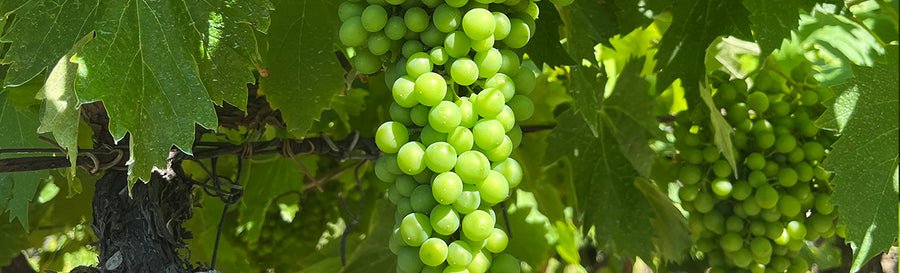
Alvarinho is one of Portugal's most celebrated indigenous white grape varieties, particularly associated with the Vinho Verde region in northern Portugal.
Across the border in Galicia, Spain, the same grape is known as Albariño, where it's equally prized for producing beautifully aromatic, refreshing white wines.
What makes Alvarinho particularly interesting is its ability to combine intense aromatics, naturally refreshing acidity and impressive body.
Typical aromas include grapefruit, lemon, peach, apricot and tropical fruit, often accompanied by delicate floral and mineral characteristics.
Unlike the light, gently sparkling wines that many people associate with Vinho Verde, Alvarinho is capable of producing serious, structured white wines with remarkable concentration and ageing potential.
And there's another fascinating characteristic: Alvarinho can develop a distinctive saline sensation, sometimes reminiscent of sea spray or a subtle savoury freshness.
Although that sensation is often described as minerality, it doesn't mean that minerals from the soil are literally being tasted in the wine. Instead, it's a combination of acidity, aroma and other sensory characteristics that creates that impression.
Casa Santa Eulália's Alvarinho is a wonderful example, combining expressive citrus and orchard fruit with a beautifully fresh, mineral-driven finish.
What does ageing on the lees mean?
One of the most interesting aspects of this wine is the way its texture develops during winemaking.
After fermentation, yeast cells naturally settle at the bottom of the tank. These are known as the lees.
Rather than removing them immediately, winemakers can leave the wine in contact with the fine lees for a period of time.
As the yeast cells gradually break down, they release compounds that can contribute additional body, texture and complexity.
Casa Santa Eulália's Alvarinho spends an extended period ageing on its fine lees, helping create the beautifully rounded mouthfeel that distinguishes it from lighter, more straightforward Vinho Verde whites.
And here's the interesting part: lees ageing can make a wine feel richer and more substantial without necessarily increasing its alcohol or residual sugar.
It's a wonderful example of how thoughtful winemaking can create depth and complexity while preserving the grape's natural freshness.
Why does this Alvarinho taste mineral and saline?
The words mineral and saline appear frequently in descriptions of high-quality white wines, but what do they actually mean?
Minerality is a tasting description rather than a single identifiable flavour compound.
Wine lovers often use it to describe sensations reminiscent of wet stone, chalk, flint or a clean, stony freshness.
Salinity, meanwhile, describes a subtle savoury or salt-like impression that can make a wine feel particularly mouthwatering.
These characteristics can be influenced by the grape variety, acidity, fermentation and other aspects of the wine's composition.
Casa Santa Eulália specifically highlights the minerality and salinity of its Alvarinho, making them important parts of the wine's personality.
And while the vineyards grow on granite-rich soils, it's worth remembering that the relationship between soil geology and perceived minerality is complex. A wine doesn't simply absorb the flavour of granite.
Instead, it's the interaction between the grape, vineyard conditions and winemaking that creates the finished wine's distinctive character.
For customers who enjoy crisp, dry whites with a slightly savoury edge, this is a particularly appealing style.
What makes Basto special?
Basto is one of the most inland subregions of Vinho Verde, where the lush green landscapes of northern Portugal begin to meet the rugged mountains of Trás-os-Montes.
Unlike the cooler, wetter coastal vineyards, Basto experiences colder winters and warmer, drier summers, allowing grapes to develop expressive fruit while retaining the refreshing acidity for which Vinho Verde is famous.
The region's predominantly granite soils, mountainous surroundings and the influence of the Tâmega River create distinctive growing conditions.
These conditions can allow Alvarinho to develop ripe citrus and orchard fruit characteristics while retaining the natural acidity that makes the variety so distinctive.
And while Vinho Verde is internationally famous for its refreshing, youthful white wines, Basto is capable of producing more structured and concentrated expressions with excellent food-pairing potential.
Casa Santa Eulália's Alvarinho is a wonderful example of that versatility.
About Casa Santa Eulália
Casa Santa Eulália is a historic family wine estate in Atei, near Mondim de Basto, in the Basto subregion of Vinho Verde.
The family's historic home dates back to the 17th century, and the property has been associated with the family since 1822, preserving generations of agricultural tradition in the beautiful Basto countryside.
Today, the winery is led by Francisco Marques Leandro, who combines the family's agricultural heritage with a modern approach to winemaking.
Francisco's connection to the land is deeply personal. He credits his mother with inspiring his appreciation for agriculture and teaching him that growing vines requires patience, care and respect for nature.
The vineyards benefit from the region's granite-rich soils, warmer inland summers and the influence of the Tâmega River, producing wines with expressive fruit and beautifully refreshing acidity.
Casa Santa Eulália works with a diverse range of indigenous Portuguese grape varieties, including Alvarinho, Arinto, Azal, Loureiro, Trajadura, Espadeiro and Vinhão.
Alongside its approachable Plainas wines, the estate produces more structured single-varietal expressions that showcase the individual character of these traditional grapes.
Their Alvarinho is a particularly lovely example, combining the grape's expressive aromatics with the elegance, freshness and distinctive mineral character of Basto.
It's a wonderful reflection of a family winery that continues to celebrate its heritage while producing wines with a distinctly modern sense of precision and balance.
Aroma: Grapefruit · Orange · Green Apple · White Stone Fruit · Delicate Florals
Palate: Dry · Medium-bodied · Rounded Texture · Vibrant Acidity · Saline Minerality · Long, Persistent Finish
Pair with: Grilled Shrimp · Oysters · Clams · Grilled Sea Bass · Seafood Rice · Roast Chicken · Creamy Seafood Pasta · Fresh Goat Cheese
Serving Temperature: 8–10°C / 46–50°F