Casa do Barroso Alvarinho Reserva White 2024
A beautifully elegant and expressive Alvarinho from the mountainous Basto subregion of Vinho Verde, combining vibrant citrus, ripe tropical fruit and a wonderfully rounded texture. Made from carefully selected grapes grown on land once considered unsuitable for vineyards, this is a remarkable example of what determination, family and Portuguese winemaking can achieve.
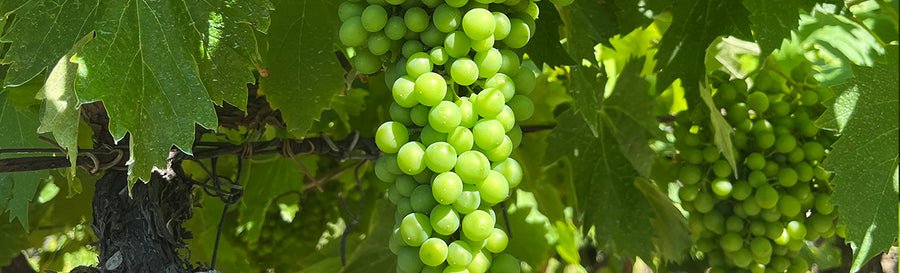
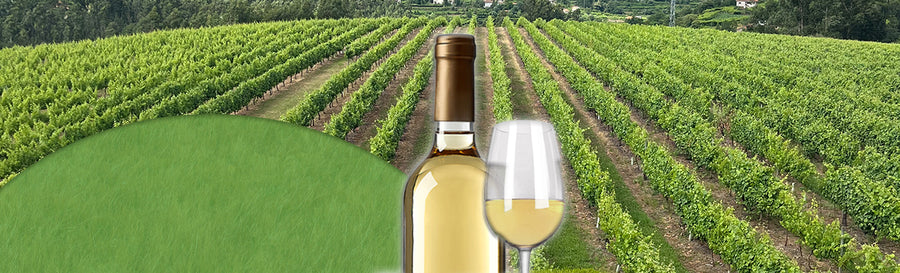
Casa do Barroso Alvarinho Reserva comes from Vilar de Cunhas, near Cabeceiras de Basto, where the Barroso family has transformed challenging, granite-rich land into thriving vineyards. Made from 100% Alvarinho, one of Portugal's most celebrated indigenous white grapes, this wine captures the wonderful balance of freshness, aromatic intensity and structure that makes the variety so special.
The grapes are selected from the family's 6.2 hectares of Alvarinho vineyards, harvested by hand and transported to the winery in small boxes to protect their quality. After gentle pressing, the juice ferments slowly in temperature-controlled stainless-steel tanks for approximately 21 days.
The wine then spends three months ageing in stainless steel with bâtonnage, a technique involving the stirring of fine yeast sediment to develop additional texture and complexity without introducing oak flavours.
In the glass, expect a beautiful pale lemon colour with greenish reflections and expressive aromas of ripe tropical fruit, citrus, peach and delicate herbal notes. On the palate, it's dry, elegant and beautifully balanced, with refreshing acidity, a rounded mouthfeel and a wonderfully long, persistent finish.
At approximately 13% ABV, this is a more substantial expression of Vinho Verde, equally enjoyable on its own or alongside a delicious seafood dinner.
What makes Alvarinho special?
Alvarinho is one of Portugal's most celebrated indigenous white grape varieties, particularly associated with the Vinho Verde region in northern Portugal.
Across the border in Galicia, Spain, the same grape is known as Albariño, where it's equally prized for producing aromatic, refreshing white wines.
What makes Alvarinho particularly interesting is its ability to combine intense aromatics, naturally refreshing acidity and impressive body.
Typical characteristics include grapefruit, lemon, peach, apricot and tropical fruit, often accompanied by delicate floral or mineral notes.
And while many people associate Vinho Verde with light, gently sparkling wines designed to be enjoyed young, Alvarinho is capable of producing much more structured and complex whites.
With careful vineyard management and winemaking, it can develop remarkable concentration, texture and even ageing potential.
Casa do Barroso's Reserva is a wonderful example of that versatility, combining expressive fruit with the added richness and complexity developed during its three months of lees ageing.
What is bâtonnage, and why does it matter?
One of the most interesting things about this wine is that its rounded texture comes from ageing on the lees rather than from oak barrels.
After fermentation, yeast cells naturally settle at the bottom of the tank. These are known as the lees, and although they can be removed immediately, winemakers sometimes choose to leave the wine in contact with them.
Over time, the yeast cells begin to break down, releasing compounds that can contribute additional body, texture and complexity.
Bâtonnage is the French term for stirring these lees, helping maintain contact between the wine and the yeast sediment.
For Casa do Barroso's Alvarinho Reserva, winemaker Márcio Lopes uses this technique during three months of ageing in stainless-steel tanks.
The result is a wine with greater texture and a more rounded mouthfeel, while still preserving Alvarinho's vibrant acidity and expressive fruit.
And because the wine never needs to enter an oak barrel, its delicate citrus and tropical characteristics remain beautifully clear.
It's a wonderful example of how thoughtful winemaking can create complexity without overpowering the grape itself.
What does Reserva mean in Portuguese wine?
Reserva is a regulated quality designation in Portuguese wine, rather than simply a marketing term suggesting that a wine is more expensive or has spent time in oak barrels.
Within Vinho Verde, the designation is associated with wines meeting additional quality requirements, including an elevated standard of sensory assessment.
Importantly, Reserva doesn't automatically mean oak-aged.
A wine can earn the designation through the quality and character of its grapes and winemaking without ever spending time in a barrel.
Casa do Barroso is a perfect example.
The family selects its best Alvarinho grapes and uses careful temperature-controlled fermentation and lees ageing to produce a wine with additional depth and structure.
The result is a Reserva that celebrates the natural character of Alvarinho rather than masking it with oak.
What makes Basto special?
Basto is one of the most inland subregions of Vinho Verde, where the lush green landscapes of northern Portugal begin to meet the rugged mountains of Trás-os-Montes.
Unlike the cooler, wetter coastal vineyards, Basto experiences colder winters and warmer, drier summers, allowing grapes to develop expressive fruit while retaining the refreshing acidity for which Vinho Verde is famous.
The region's predominantly granite soils, mountainous surroundings and the influence of the Tâmega River create distinctive growing conditions.
Granite-derived soils are often relatively poor in nutrients and can encourage vines to develop extensive root systems as they search for water and nourishment.
Although challenging for agriculture, these conditions can be well suited to quality wine production when carefully managed.
For Alvarinho, Basto offers the opportunity to develop ripe, expressive fruit while retaining the freshness and structure that make the variety so distinctive.
About Casa do Barroso
Casa do Barroso is a family-run winery in the small village of Cunhas, in Vilar de Cunhas, near Cabeceiras de Basto, in the mountainous Basto subregion of Vinho Verde.
The family's historic house dates back to 1730, but their modern winemaking story began much more recently.
In 2013, brothers Jorge and Pedro Barroso, together with three cousins, began an ambitious project to transform land that had long been considered difficult for agriculture into productive vineyards.
The terrain was challenging, with poor granite-derived soils and steep, uneven landscapes. But the family recognised its potential for growing Alvarinho.
What began as a shared family project eventually became Jorge's principal responsibility, as the other family members continued with their professional commitments.
And there's something particularly remarkable about Jorge's story: he also works as a psychiatric nurse, balancing his professional career with the demands of running a winery.
Today, his two sons help with the project, continuing the family's connection to the land.
The winery works closely with respected Portuguese winemaker Márcio Lopes, whose approach emphasises the distinctive character of Alvarinho and the importance of thoughtful, precise winemaking.
Casa do Barroso's wines include the fresh and elegant Reserva, a more textured Estágio Prolongado aged for an extended period in stainless steel, and a barrel-aged Alvarinho that explores another side of the grape's personality.
Even the winery's logo celebrates the heritage of northern Portugal.
It depicts an espigueiro, a traditional raised stone granary commonly found throughout the Minho region. These distinctive structures were used to dry and store maize, with elevated stone supports designed to keep rodents away from the harvest.
It's a fitting symbol for a family whose wines are deeply connected to the agricultural traditions and landscapes of northern Portugal.
Casa do Barroso is a wonderful reminder that great wines don't always come from easy places. Sometimes, they come from families willing to see potential where others see only difficult land.
Aroma: Tropical Fruit · Citrus · Peach · Delicate Herbal Notes
Palate: Dry · Medium-bodied · Rounded Texture · Refreshing Acidity · Long, Persistent Finish
Pair with: Grilled Shrimp · Oysters · Grilled Salmon · Roast Chicken · Seafood Rice · Creamy Risotto · Aged Cheeses
Serving Temperature: 10–12°C / 50–54°F